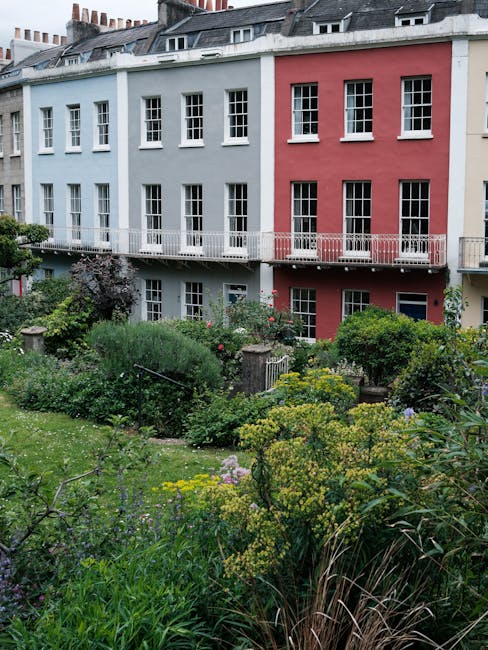
Top gardeners for Highbury Fields terraces Islington
Terrace gardens around Highbury Fields can be a joy, but they can also be a bit of a balancing act. Limited space, shade from neighbouring buildings, wind tunnelling between walls, and the usual London pace all shape what works and what quickly turns into a tangle. If you are looking for the top gardeners for Highbury Fields terraces Islington, you probably want more than a quick tidy-up. You want someone who understands compact outdoor spaces, knows how to keep planting healthy in containers, and can make a small terrace feel calm instead of cluttered.
This guide breaks down what good terrace gardening looks like in this part of Islington, how to choose the right gardener, what services matter most, and which mistakes to avoid. You will also find a practical checklist, a comparison table, and a few real-world examples of the kind of work that tends to make the biggest difference. Nothing fancy for the sake of it. Just the useful stuff.
Why Top gardeners for Highbury Fields terraces Islington Matters
A terrace near Highbury Fields is not the same as a back garden in the suburbs. Space is tighter, access can be awkward, and the garden is often exposed to a mix of shade, reflected heat, and gusts that arrive like they own the place. In practice, that means plants need the right position, the right soil, and a gardener who knows when to cut back, when to leave things alone, and when to start again.
Good terrace gardening matters because small errors show up quickly. Overwater a pot and roots can sit soggy for days. Let a hedge run wild and you lose usable space. Choose plants without thinking about light or wind and you are back at the garden centre in two weeks. To be fair, most terrace problems are not dramatic. They are just persistent. That is why experienced local gardeners are worth their weight in compost.
In a busy residential area like Islington, top gardeners are usually the ones who can combine practical maintenance with a clean finish. They understand the visual side as well as the plant health side. If you want a broader picture of what a well-run garden service can cover, it helps to look at the full services overview and the more regular support offered through garden maintenance.
How Top gardeners for Highbury Fields terraces Islington Works
At its best, terrace gardening is a blend of planning, routine care, and small interventions that stop problems before they build up. The process usually starts with an assessment: what gets sun, what sits in shade, where water drains, what looks tired, and which plants are actually suited to a terrace environment. That first walk-round tells you a lot. Sometimes the garden does not need reinventing. It just needs clearer structure and a steadier rhythm.
A good gardener will then divide the work into manageable tasks. For example:
- light pruning to open up the space
- container refreshes and seasonal replanting
- lawn care where there is a small turf area
- hedge shaping for boundaries and privacy
- clearing dead material and general debris
- checking drainage, pots, and access points
On terraces, this sort of work often happens in stages rather than all at once. That is sensible. A compact space can feel overcrowded if every issue is tackled in a single visit. Good gardeners know how to space things out so the terrace keeps working while improvements are made.
If you need heavier tidying first, a proper garden clearance can reset the space before ongoing maintenance begins. If the issue is overgrown edges, screening, or privacy, hedge trimming is often one of the quickest ways to make a terrace feel neat again.
Key Benefits and Practical Advantages
There is a difference between a garden that survives and a garden that genuinely improves day to day life. On a Highbury Fields terrace, the right gardener can make that difference very visible.
- Better use of space: trimming back, reorganising planters, and creating clean paths makes a terrace feel larger.
- Healthier plants: correct watering, feeding, pruning, and soil management reduce stress on containers and borders.
- Less weekend maintenance: if the layout and routine are right, you do not spend every Saturday cutting, sweeping, and second-guessing.
- More privacy: thoughtful planting and hedge work can soften overlooking buildings without making the space dark.
- Safer access: tidy steps, clear walkways, and stable pots reduce the odd trip hazard that sneaks up on people.
- Better year-round appearance: a terrace looks better when there is structure in winter and colour in summer, not just a burst of over-enthusiasm in May.
There is also the simple emotional benefit. A well-kept terrace changes how the whole home feels. Morning coffee outside, evening air after work, a few herbs by the door, the sound of watering cans and bikes passing below. Small things, but they matter.
For homeowners who want more than maintenance, local specialists can also help with broader outdoor improvements such as landscaping or more detailed landscape gardening when the terrace needs structure, not just tidying.
Who This Is For and When It Makes Sense
This kind of service is not only for people with large budgets or elaborate planting schemes. In fact, some of the best candidates are the opposite: busy households, rented flats with small terraces, home workers who want a calm outdoor break, and owners of older properties where the garden has become a bit forgotten.
You may need a gardener if:
- your terrace has become crowded with pots, weeds, or dead plants
- the space gets too shaded, too windy, or too dry for what is currently planted
- you want regular upkeep rather than one-off rescue work
- you need help keeping boundaries, hedges, or trees under control
- the outdoor area should feel usable for entertaining, sitting, or simply opening the doors in summer
It also makes sense if you are about to move in or move out. A terrace with a cluttered corner, broken trellis, or neglected border can make a place feel unfinished. Truth be told, people notice these things more than they admit. First impressions count, and an outdoor space is part of that.
Landlords and managing agents sometimes need a more procedural approach, especially where access, waste removal, or tenant turnover is involved. In those cases, a combination of garden maintenance and, where needed, garden clearance keeps things manageable rather than reactive.
Step-by-Step Guidance
If you are trying to work out how to get started, keep it simple. A good terrace garden does not need a dramatic overhaul on day one. It needs a sensible order of operations.
- Walk the space properly. Look at where the sun lands, where water sits after rain, and which areas feel cramped or unusable.
- Separate the essentials from the nice-to-haves. Clear safety issues, dead growth, and access problems first. Styling comes after that.
- Decide whether you need a reset or routine care. If the terrace is overgrown, start with clearance. If it is mainly tidy but inconsistent, maintenance may be enough.
- Choose plants that suit the site. Shade, wind, and shallow containers narrow the options. That is not a limitation; it is just the reality of terrace gardening.
- Set a practical schedule. Weekly, fortnightly, or seasonal visits each make sense depending on how much is planted and how quickly things grow.
- Review the layout after the first few visits. A terrace often improves once you live with it for a while. Then you can adjust.
A small but important tip: do not fill every gap immediately. Leave breathing room. A terrace packed full of containers can look exciting for about a week and then start to feel like a storage problem. Let the planting develop.
If you are unsure what level of support you need, a good starting point is a conversation around the pricing and quotes process, followed by a clear scope of work. That keeps expectations realistic from the outset, which is always better than guessing.
Expert Tips for Better Results
Most terrace gardens do not fail because of one dramatic mistake. They drift. A bit too much water here, a neglected pot there, a hedge left for one month too long. So the best advice is often about consistency.
1. Match the planting to the microclimate
Even within one terrace, the conditions can change every few feet. A sheltered corner may stay damp while the edge nearest the open air dries out quickly. Experienced gardeners notice this early and place plants accordingly. It saves a lot of faff later.
2. Use structure, not just colour
Highbury terraces often benefit from evergreen structure, clipped forms, and defined edges. Flowers are lovely, obviously, but structure keeps the garden looking intentional in February as well as July.
3. Keep containers on a care routine
Containers dry out faster than ground planting. They also lose nutrients sooner. Regular feeding, turning, and checking drainage make a bigger difference than most people expect.
4. Think vertical as well as horizontal
When floor space is limited, walls, screens, climbers, and raised planters help the garden feel layered rather than cramped. That said, do not overdo it. A terrace can become visually noisy if every surface is competing for attention.
5. Use maintenance to protect the design
Good maintenance does not just keep things neat. It protects the original layout. That is why small recurring tasks often beat big occasional interventions.
For bigger outdoor features, it can help to plan ahead with services like decking services where a terrace needs a stronger usable surface, or with a clean-up through lawn mowing if there is a small lawn section that still needs regular care. Not every terrace has one, but the same principle applies: steady care beats rescue work.
Common Mistakes to Avoid
Let's face it, terrace gardens invite a few predictable mistakes. They are easy to make, especially when you are trying to do too much in too little space.
- Choosing plants for looks alone: a plant can be beautiful and still be wrong for the site.
- Ignoring drainage: terrace pots without sensible drainage become trouble after a spell of wet weather.
- Overcrowding the space: too many containers make maintenance harder and movement awkward.
- Leaving pruning too long: once growth gets out of control, cutting back can change the shape of the whole garden.
- Forgetting access: if a gardener cannot move comfortably, the job will take longer and cost more in effort.
- Skipping seasonal review: a terrace that works in spring may be wrong by autumn. Gardens change, that is the deal.
Another common issue is assuming all outdoor work is the same. It is not. A broad front garden, a back courtyard, and a top-floor terrace each need a different approach. Highbury Fields terraces often sit somewhere between practical and decorative, so the gardener needs to respect both sides.
If larger branches or awkward tree growth are affecting light and safety, it may be time to consider tree lopping and removal, though that should always be handled carefully and only where it is genuinely needed.
Tools, Resources and Recommendations
You do not need a van full of kit to maintain a terrace well, but the right tools do matter. The basics are simple enough, and honestly, a few well-chosen items beat an overcomplicated shed every time.
- Hand secateurs: for light pruning and deadheading
- Long-reach loppers: useful for awkward stems or thicker growth
- Watering can or hose with control: terraces need careful watering, not a flood
- Quality compost and mulch: helps with moisture and feeding in containers
- Gloves and sweep tools: because tiny debris on paving becomes annoying very fast
- Plant supports and ties: especially for climbers and wind-prone specimens
When hiring a gardener, ask what they bring and what they expect you to provide. Good communication on that point prevents silly misunderstandings. A gardener should also be clear about waste handling, timing, and whether the work will be one-off or part of a recurring service.
If sustainability matters to you, take a look at a provider's approach to recycling and sustainability. A tidy terrace is nice; a tidy terrace with sensible waste handling is better. Far better, actually.
It is also sensible to check the business basics before you commit. Pages such as about us, insurance and safety, and health and safety policy help you understand how the work is managed and how responsibility is handled on site.
Law, Compliance, Standards, or Best Practice
For most terrace gardening work, there is no dramatic legal complexity. But there are still sensible standards that good providers should follow. In the UK, anyone working on private property should operate carefully, respect access arrangements, and avoid causing preventable damage to neighbours, shared areas, or common parts. That is especially relevant in Islington, where homes can sit close together and shared boundaries are often part of the picture.
Best practice usually includes:
- working safely around steps, balconies, and uneven paving
- handling tools and waste without creating hazards
- being clear about what is included in the job
- using appropriate protection for plants, surfaces, and fixtures
- checking whether heavier work needs extra caution or specialist handling
If a job involves significant tree work, the safe option is to be cautious and confirm scope before starting. If it involves regular visits, the gardener should have a clear routine and be able to explain how they manage access, waste, and site safety. That is where a provider's policy pages can be genuinely useful, even if they are not glamorous reading. Few things are less exciting than insurance paperwork. Still, it matters.
You may also want to review practical terms around payments and service expectations via payment and security and terms and conditions. Not thrilling, I know, but it helps avoid awkward surprises later.
Options, Methods, or Comparison Table
Not every terrace needs the same kind of gardening support. The right choice depends on how much work the space needs and how often it needs attention. Here is a simple comparison to help you think it through.
| Option | Best for | What it usually includes | Best when |
|---|---|---|---|
| One-off tidy-up | Neglected or cluttered terraces | Clearance, pruning, debris removal, reset of key areas | The garden has drifted and needs a fresh start |
| Regular maintenance | Homeowners who want consistency | Weeding, watering checks, pruning, trimming, seasonal care | The terrace already works, but needs steady attention |
| Partial redesign | Spaces that feel awkward or underused | Layout adjustments, planting changes, structural improvements | The current setup no longer suits how you live |
| Broader landscaping support | Terraces needing a stronger visual plan | Harder surfaces, boundaries, planting structure, visual flow | The garden needs more than maintenance alone |
If you want a terrace that feels polished rather than just cleaned, a combination of landscape gardening and regular care is often the strongest long-term route. If the space includes hard surfaces, steps, or a worn platform, then a more structural approach through landscaping may be the better fit.
Case Study or Real-World Example
Picture a typical Highbury Fields terrace in late spring. A compact paved space, a few tired pots near the rail, some clipped back growth that has become a bit uneven, and a narrow patch of planting that started with enthusiasm but has since gone soft around the edges. The owners use it for morning tea and a bit of evening downtime, but they have stopped noticing it because it feels unfinished.
A sensible gardening plan might begin with removing dead material and clearing the cluttered corner. Then the gardener would reshape the planting so the main view from the doors looks open and ordered. A few containers might be moved rather than replaced. One climbing plant could be trained to give height. The hedge or screening element could be trimmed so it softens the boundary without blocking all light. Nothing dramatic, but the room outside suddenly feels usable again.
In situations like that, the biggest win is not a single feature. It is the sense that someone has looked at the terrace as a whole. You can tell. The space stops feeling like a leftover and starts feeling like part of the home. That shift is what many people are really paying for.
And yes, sometimes the first reaction is just: "Oh, that looks better." Which, honestly, is exactly the point.
Practical Checklist
Use this checklist before you hire or brief a gardener for a terrace in Highbury Fields or anywhere nearby in Islington.
- Do I need a one-off clean-up, regular care, or a redesign?
- Have I listed the main pain points: shade, wind, weeds, drainage, clutter, privacy?
- Do I know which parts of the terrace must stay usable during the work?
- Have I checked whether pruning, clearance, or tree work may be needed first?
- Is there enough access for tools, waste removal, and movement around the space?
- Have I thought about seasonal changes, not just the current month?
- Do I want the garden to look neat, feel relaxing, or support entertaining?
- Have I reviewed the provider's basic service information and safety approach?
- Have I clarified pricing, timing, and what happens if the scope changes?
- Do I know who to contact if I want to discuss the job further?
If you are still shaping your brief, the simplest next step is often to review the contact details and ask for guidance on what level of service fits your terrace. A short conversation can save a lot of back-and-forth later.
Conclusion
Finding the top gardeners for Highbury Fields terraces Islington is really about finding someone who understands small-space gardening properly. Not just the planting, but the rhythm of the place. The shade patterns. The wind. The awkward corners. The way a terrace needs to look good without becoming high-maintenance. A strong gardener will make the space feel easier to live with, not harder.
Whether you need a careful tidy-up, regular seasonal care, or a more structured transformation, the best results usually come from practical planning and steady upkeep. Small terraces reward attention. They really do. And when they are handled well, they can become one of the nicest parts of the home.
Get a free quote today and see how much you can save.
If you are ready to improve your terrace, start with a clear brief and a conversation that focuses on what your space actually needs. The right help should feel straightforward, calm, and reassuring. That is how a good garden job ought to begin.
Frequently Asked Questions
What should I look for in a gardener for a Highbury Fields terrace?
Look for someone who understands compact urban gardens, container planting, pruning, drainage, and maintenance rather than only general outdoor tidying. Terrace work is its own thing, really.
How often should a terrace garden in Islington be maintained?
That depends on planting density, sun exposure, and how much you use the space. Many terraces benefit from regular seasonal care, while planted containers may need more frequent checks during warmer months.
Is a one-off clearance enough for an overgrown terrace?
Sometimes yes, especially if the garden has simply been neglected. But if the layout is awkward or the planting is not suited to the site, a one-off clearance should usually be followed by routine maintenance.
Do terrace gardens need different plants than ground-level gardens?
Yes, often they do. Terraces are usually windier, drier, and more exposed. Plants that cope well in containers, partial shade, and variable moisture levels tend to perform better.
Can a gardener help make a terrace look bigger?
Absolutely. Careful pruning, better spacing, vertical planting, and a cleaner layout can make a terrace feel much larger and more open without changing its footprint.
What if my terrace gets very little sun?
That is common in Islington. A good gardener can select shade-tolerant planting and adjust the layout so the space still feels attractive, even without strong direct light.
Should I ask about insurance before booking a gardener?
Yes. It is sensible to check that the provider has appropriate insurance and a clear safety approach, especially if the work involves steps, height, tools, or shared access areas.
Can hedge trimming or tree work be part of terrace care?
Yes. If boundaries, screening, or nearby growth are affecting light, privacy, or safety, hedge trimming and, where needed, tree lopping and removal can be part of the overall plan.
How do I know whether I need landscaping or simple maintenance?
If the terrace only needs consistent care, maintenance may be enough. If the space feels poorly arranged, tired, or structurally weak, landscaping or landscape gardening may be the better route.
What should I prepare before the gardener arrives?
Clear access, note any fragile items, decide what should stay in place, and think about the main issues you want solved. A short list helps the visit go smoothly.
Are recycling and waste handling important for garden work?
Yes, especially after clearance or pruning jobs. Ask how green waste is handled and whether the gardener follows a sensible recycling and sustainability approach.
Where can I find more about the company and its working standards?
It is sensible to review the provider's about us, insurance and safety, and health and safety policy pages before booking. That gives you a better feel for how they work and what they prioritise.
A well-kept terrace does not need to be perfect to feel good. It just needs the right hands, the right pace, and a bit of attention at the right time. That's usually enough.