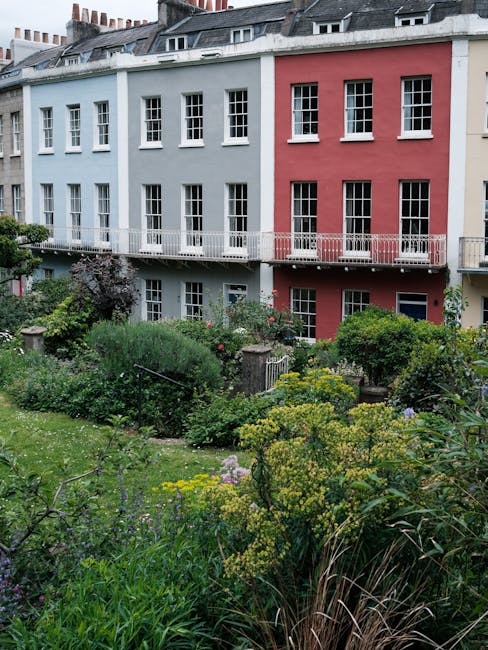
Best gardeners for Upper Street front gardens Islington
If you live near Upper Street, you already know the front garden works harder than most parts of the home. It is the first thing people see, the bit that has to look tidy in winter rain, the space that can quickly feel cluttered, and often the strip of green that needs more care than you first expected. Choosing the best gardeners for Upper Street front gardens Islington is really about finding someone who understands small London spaces, busy pavements, awkward access, and the need for a neat finish that still feels alive.
That is what this guide is for. We will look at what makes a front garden job in Islington different, how a good local gardener approaches it, what services usually matter most, and how to decide whether you need ongoing maintenance or a one-off tidy-up. If you are weighing up options right now, a practical place to start is the services overview, then compare it with your own garden's needs. Simple enough, but the details matter.
And yes, front gardens can be surprisingly fussy. One week they look charming. The next, a hedge has leaned outward, the lawn has gone patchy, and the whole space feels smaller than it is. Truth be told, that happens to a lot of city homes.
Table of Contents
- Why Best gardeners for Upper Street front gardens Islington Matters
- How Best gardeners for Upper Street front gardens Islington Works
- Key Benefits and Practical Advantages
- Who This Is For and When It Makes Sense
- Step-by-Step Guidance
- Expert Tips for Better Results
- Common Mistakes to Avoid
- Tools, Resources and Recommendations
- Law, Compliance, Standards, or Best Practice
- Options, Methods, or Comparison Table
- Case Study or Real-World Example
- Practical Checklist
- Conclusion
- Frequently Asked Questions
Why Best gardeners for Upper Street front gardens Islington Matters
Upper Street sits in one of those parts of London where a front garden does a lot of visual work. It frames the house, softens the street, and often has to cope with foot traffic, bin movement, narrow entrances, pets, shade from neighbouring buildings, and the usual urban wear and tear. A poor garden cut looks untidy very quickly. A good one, though, can lift the whole property without seeming overdone.
This is why the phrase "best gardeners" should mean more than just someone with a mower. For front gardens in Islington, the right gardener understands proportion, restraint, and consistency. They know when to trim hard and when to leave structure alone. They notice if a bed is losing shape, if a hedge is encroaching on the path, or if a lawn is suffering because the soil is compacted and dry under trees. Little things. They add up.
There is also the practical side. A front garden is often the part of the property people pass through most, so the work needs to be tidy, efficient, and respectful of neighbours. Sound, mess, clipping disposal, access to taps or storage, and how long the job takes all become part of the service, not just the planting plan.
Expert summary: The best gardeners for Upper Street front gardens Islington are not simply the quickest or the cheapest. They are the ones who combine neat workmanship, reliable upkeep, sensible plant choices, and an eye for the street view.
That sounds obvious, I know. But in practice, many people only realise it after one bad cut too many.
How Best gardeners for Upper Street front gardens Islington Works
Front garden care in this part of London usually follows a fairly clear pattern. First comes the assessment: what is planted, what needs pruning, what is overgrown, what is dead, and what should stay because it still works with the shape of the house. Then comes the plan. In a compact front space, every decision changes the feel of the entrance.
A good gardener will typically look at:
- the size and layout of the front garden
- how much sun or shade it gets across the day
- the condition of the lawn, beds, borders, and edging
- access for tools, waste removal, and any parked vehicles
- the style of the property and the street as a whole
- whether the garden needs maintenance, reshaping, or a full reset
From there, the work may involve lawn mowing, hedge trimming, weeding, clearing fallen leaves, improving edging, refreshing mulch, planting for seasonal colour, or carrying out slightly bigger work through garden maintenance. If the area has become cluttered after a long gap in attention, a one-off garden clearance may be the more sensible starting point. No point polishing the shelf while the room is full of boxes, if you see what I mean.
For some homes, the right answer is a regular visit. For others, it is a seasonal tidy before spring, or a stronger end-of-autumn reset. The best gardeners make that distinction clearly rather than pushing the same package for everyone.
Key Benefits and Practical Advantages
The benefits of hiring skilled local gardeners for a front garden in Upper Street go beyond looks, although appearance is obviously a big part of it.
- Better kerb appeal: A well-kept frontage makes the whole property look cared for, even if the garden is small.
- Less stress: Regular upkeep is easier than letting things slide and facing a bigger job later.
- Smarter plant health: Correct pruning, feeding, and spacing can help plants last longer and look fuller.
- Safer access: Clear paths and controlled growth reduce trip hazards and awkward squeezes by the gate.
- More usable space: Even a narrow front garden feels larger when it is properly shaped and not overfilled.
- Neighbour-friendly presentation: Tidy boundaries and hedge lines tend to sit better on a street where homes are close together.
There is a quieter benefit too: a good front garden changes how you arrive home. That sounds a bit sentimental, maybe, but there is real value in pulling up to a neat entrance after a long day and seeing order rather than chaos. It changes the mood in a small but noticeable way.
If the work also involves more structural improvements such as paving edges, borders, or layout changes, you may need broader landscape gardening or even landscaping support. Not every garden needs that, of course. But when it does, it is better to do it properly than patch things up twice.
Who This Is For and When It Makes Sense
This kind of gardening service makes sense for quite a few people in Upper Street and the surrounding Islington streets.
You may need it if you are:
- a homeowner who wants a better-looking entrance without spending weekends on it
- a landlord trying to keep the frontage presentable between tenancies
- a busy professional who keeps thinking, "I'll sort the garden next month"
- someone preparing a property for sale, rent, or visiting family
- an older resident who prefers reliable help rather than lifting, bending, and dragging heavy bags
- new to the area and trying to bring a neglected garden back into shape
It also makes sense when the garden is not in crisis, but you can see it heading that way. A hedge starts to sprawl. Grass grows uneven. Pots collect dead stems. A strip of soil near the pavement becomes patchy because nobody has refreshed it in a while. That is usually the moment to act.
And honestly, if your front garden is only manageable when you are already on top of everything, then it may need a simpler maintenance routine. No shame in that. Most people don't have the time for a complicated planting scheme, especially in a city week that is already full.
Step-by-Step Guidance
If you are trying to choose the best gardener for an Upper Street front garden, this is a sensible way to approach it.
- Assess the current state of the garden. Look at the lawn, hedges, edging, weeds, pots, access points, and any damaged features.
- Decide the outcome you want. Do you want a light tidy, a seasonal refresh, or a more complete redesign?
- List the priorities. For example: make it neat, improve privacy, reduce weeding, or stop the hedge from taking over the path.
- Check the gardener's service range. A front garden might need mowing, hedge trimming, clearance, planting, or a mix of all four.
- Ask how they handle waste and finish. The tidy-up after the tidy-up is often what separates decent work from good work.
- Agree on frequency. Weekly, fortnightly, monthly, or seasonal visits all suit different gardens.
- Review the result after the first visit. Look at the edges, the shape, and whether the overall balance feels right.
If the garden has a lawn that needs regular cutting, look at lawn mowing as part of the plan rather than an afterthought. If the boundary is becoming too heavy or uneven, hedge trimming can make a dramatic difference with very little visual drama, which is often exactly what you want. Quiet improvement. Best kind.
One thing people sometimes forget: ask what happens between visits. A tidy plan only works if it matches real life. If your front garden gets loads of leaf drop in autumn or dries out badly in summer, the schedule should reflect that, not ignore it.
Expert Tips for Better Results
Here are the little things that usually separate a decent front garden from one that consistently looks sharp.
- Keep the shape simple. Strong lines usually suit Upper Street front gardens better than cluttered planting.
- Use repeat planting. Repetition feels calmer and cleaner from the street.
- Choose plants that can handle urban conditions. Wind, reflected heat, shade, and occasional dryness all matter.
- Don't over-prune for the sake of neatness. A plant cut too hard can look bare for months.
- Refresh mulch or soil improvement at the right time. It helps moisture retention and keeps beds looking cared for.
- Watch the edging. Crisp edges make a small space look instantly more intentional.
- Plan for access. Narrow paths and front steps need a gardener who works neatly and doesn't leave a mess behind.
In our experience, the best results often come from restraint rather than ambition. People imagine they need a whole redesign, but often the garden just needs regular attention, a better rhythm, and a little editing. Not a complete personality transplant.
If you are comparing local providers, check whether they can support ongoing upkeep through garden maintenance rather than only offering one-off visits. Consistency matters more than most people realise. Especially on a street where the garden is visible every single day.
Common Mistakes to Avoid
Front gardens in inner London are easy to get wrong in small but costly ways. Here are the mistakes we see most often.
- Choosing purely on price. The cheapest option can end up costing more if the work is rushed or incomplete.
- Ignoring access problems. If tools, waste, or water access are awkward, the job needs planning.
- Letting hedges grow too large before trimming. Heavy cuts can take longer to recover from.
- Planting too many different species. Variety is nice, but too much variety can make a small front garden feel messy.
- Not defining the goal. A gardener can only work well if the brief is clear.
- Skipping seasonal care. London gardens feel the difference quickly when autumn leaves, winter debris, or summer dryness are left too long.
There's also the classic mistake of thinking a front garden should be "low maintenance" in the sense of "no maintenance." That usually means trouble later on. Better to make it genuinely manageable. Huge difference.
If the garden includes mature shrubs or trees that are blocking light or crowding the boundary, it may be worth discussing carefully controlled tree lopping and removal. That kind of work needs judgement. Not just enthusiasm with a saw.
Tools, Resources and Recommendations
Good gardeners do not need flashy kit; they need the right tools used with care. For front garden work, that usually means clean edging tools, well-maintained mowers, pruning shears, hedge trimmers, waste bags or bins, and sometimes simple hand tools for detailed shaping.
From a homeowner's point of view, the most useful resources are practical ones:
- a rough note of what you want improved
- photos of the garden in its worst and best states
- a quick list of problem spots, such as shade, drainage, or recurring weeds
- your preferred maintenance rhythm, if you already have one
- information about any fragile plants, resident wildlife, or access concerns
It also helps to understand whether the team is equipped for larger jobs or only light maintenance. For example, if your front garden includes hard edges, new paving, or structural changes, then a service with wider landscaping capability may suit better than a basic trim-and-go visit. If your outside space has become crowded with waste after a long period of neglect, then garden clearance may be the right first step before any improvement work starts.
If you want a broader sense of what is available, the services overview is a useful place to compare options without overcomplicating things. That said, you do not need every service under the sun. You just need the right one.
Law, Compliance, Standards, or Best Practice
Front garden work is usually straightforward, but there are still sensible standards to keep in mind. In the UK, good gardening practice should always include care around access routes, neighbour boundaries, waste handling, and safe tool use. If work could affect shared fences, overhanging branches, or access onto a pavement, it should be discussed calmly before anything is cut back.
For most householders, the main point is not to overstate legal risk, but to work with a gardener who behaves responsibly. That means they should be clear about safety, transparent about the work being carried out, and careful about how waste and equipment are handled. If something feels unusually risky or invasive, pause and ask questions. A proper professional should welcome that.
It is also sensible to check business basics such as insurance and how the company approaches safety. You can review the site's own insurance and safety information, plus the health and safety policy, if you want reassurance before booking. For payment confidence, the payment and security page is also worth a look.
And because sustainability matters to many London residents, it is reasonable to ask how green waste is managed. The recycling and sustainability page gives a clearer sense of that approach. Small things, but they matter when you are letting someone work on the face of your home.
Options, Methods, or Comparison Table
Not every front garden needs the same level of care. The right method depends on how much time you have, how the garden is used, and how much structure it already has.
| Approach | Best for | Pros | Watch-outs |
|---|---|---|---|
| Light regular maintenance | Tidy front gardens with healthy structure | Predictable, neat, easy to budget for | Won't fix deeper issues like poor soil or overgrown boundaries |
| Seasonal refresh | Gardens that look good but need periodic attention | Good for spring or autumn resets | Can slip if too much time passes between visits |
| One-off clearance | Overgrown or neglected spaces | Fast way to regain control | May need follow-up maintenance straight after |
| Full redesign | Spaces with layout, drainage, or style problems | Can transform the whole frontage | More time, more planning, and usually a bigger budget |
There is no perfect universal choice. A small front garden on Upper Street might only need monthly maintenance and an occasional hedge trim. Another one, three doors down, might need a full redesign because the planting is fighting the building rather than framing it. Different jobs. Different answer.
Case Study or Real-World Example
Here is a realistic example. A homeowner on a side street off Upper Street had a front garden that looked fine from a distance, but messy up close. The hedge had spread into the path, the lawn was patchy, and the border had become a jumble of tired plants and weeds. Nothing dramatic. Just enough to make the entrance feel a bit tired every time they came home.
The gardener started with a clearance of the dead material and a proper tidy of the edges. The hedge was cut back with a lighter hand than the owner expected, because it still had a good shape underneath. The lawn was improved through mowing, edging, and a clearer routine for follow-up care. The border was simplified so the good plants stood out instead of disappearing into clutter.
The important bit was not that the garden became "perfect." It became manageable. That is usually the real win. The owner could keep it looking neat without it becoming a weekend project every other week. You could almost hear the place breathe a little easier afterwards. Sounds odd, maybe. But gardeners notice that kind of thing.
That is the kind of result to look for when choosing the best gardeners for Upper Street front gardens Islington: not just a quick cosmetic fix, but a result that makes the space easier to live with.
Practical Checklist
Use this checklist before you book a gardener for a front garden job.
- Do I want a one-off tidy, a seasonal refresh, or regular maintenance?
- Is the main issue the lawn, hedging, borders, weeds, or access?
- Have I taken a few photos of the garden as it is now?
- Do I know what I want to keep and what I want removed?
- Have I checked whether the job needs clearance before detailed work?
- Have I thought about how often the garden should be maintained?
- Do I want simple tidiness or a broader redesign?
- Am I clear on safety, insurance, and payment expectations?
- Have I considered recycling and waste handling?
- Do I have a realistic idea of how much time I want to spend on aftercare?
If you can answer most of those calmly, you are already in a much better position than most people when they start. And that's honestly half the battle.
Conclusion
The best gardeners for Upper Street front gardens Islington are the ones who understand that small urban gardens need precision, consistency, and a light touch. A good front garden is not only tidy; it is balanced, welcoming, and easy to maintain. That may mean regular mowing, careful hedge trimming, occasional clearance, or broader landscaping work, depending on the space.
What matters most is matching the service to the real condition of the garden. Not the ideal version in your head. The real one, with the awkward corner, the shady strip, the hedge that grows quicker than expected, and the path that always seems a bit narrow. A skilled local gardener will work with that reality and make it look straightforward.
If you are ready to move from "I should really sort that" to a garden that feels looked after, start by comparing the available services and thinking through what your frontage actually needs. That clarity saves time, money, and a fair bit of hassle.
Get a free quote today and see how much you can save.
Frequently Asked Questions
What makes a gardener suitable for an Upper Street front garden?
A suitable gardener understands small London front gardens, neat presentation, practical access, and the need for regular upkeep rather than one-off dramatic changes. They should be comfortable with mowing, trimming, and tidy finishes.
Should I book regular maintenance or a one-off tidy-up?
If the garden already has a good structure, regular maintenance is usually the better option. If it has become overgrown or cluttered, start with clearance or a seasonal reset first, then move into maintenance.
How often should a front garden in Islington be maintained?
That depends on planting, lawn growth, and exposure to shade or sun. Many front gardens benefit from monthly attention, while faster-growing hedges or lawns may need more frequent visits in warmer months.
Can a gardener help if my front garden is very small?
Yes. Small spaces often benefit the most from professional care because every inch counts. A good gardener can make a tiny frontage look more spacious by improving edges, balance, and planting discipline.
Is hedge trimming important for front gardens?
Very often, yes. Hedges can quickly make a front garden feel overgrown if they spread into the path or block light. Careful hedge trimming helps keep the space neat and usable.
What if my front garden needs clearing before it can be improved?
Then a garden clearance is usually the right first step. Once dead growth, clutter, and waste are removed, it becomes much easier to assess what should stay and what should change.
Do I need landscaping, or is maintenance enough?
If the layout already works, maintenance is often enough. If the garden has poor flow, awkward edges, or structural issues, then landscaping or landscape gardening may be more appropriate.
What should I ask before hiring a gardener?
Ask what work they recommend, how they handle waste, whether they offer ongoing maintenance, and how they approach safety and insurance. A reliable gardener should answer clearly and without fuss.
How do I keep a front garden looking good between visits?
Keep things simple: remove obvious weeds, sweep the path, deadhead plants if needed, and avoid letting small issues pile up. A tidy routine between professional visits goes a long way.
Are lawn mowing services useful for front gardens?
Yes, if the garden includes turf or a small lawned section. Regular mowing keeps the space sharp and stops the entrance from looking scruffy after just a short spell of growth.
How do I know if a gardener is trustworthy?
Look for clear communication, sensible recommendations, and transparent information about service scope, safety, payment, and policies. You can also review the company's about and policy pages to get a better feel for how they work, starting with about us and the relevant service information.
What is the best first step if I am unsure where to start?
Take a few photos, note the main problem areas, and compare them against the service options. Then reach out through the contact us page when you are ready. A short conversation usually clears up a lot.